Research summary
Much of my research seeks to understand the relationship between political violence and democracy. It focuses broadly on two main questions: first, when and why does political violence occur in democratic contexts? And second, what are the consequences of violence for important democratic features, such as elections, political representation, and citizens’ participation in and support for democracy?
I am particularly interested in how threat and insecurity influence citizens’ commitment to democratic principles and in understanding how elites’ and citizens’ responses to violence have downstream effects on social and political attitudes, and democratic governance more broadly.
My research can broadly be organized around the following themes:
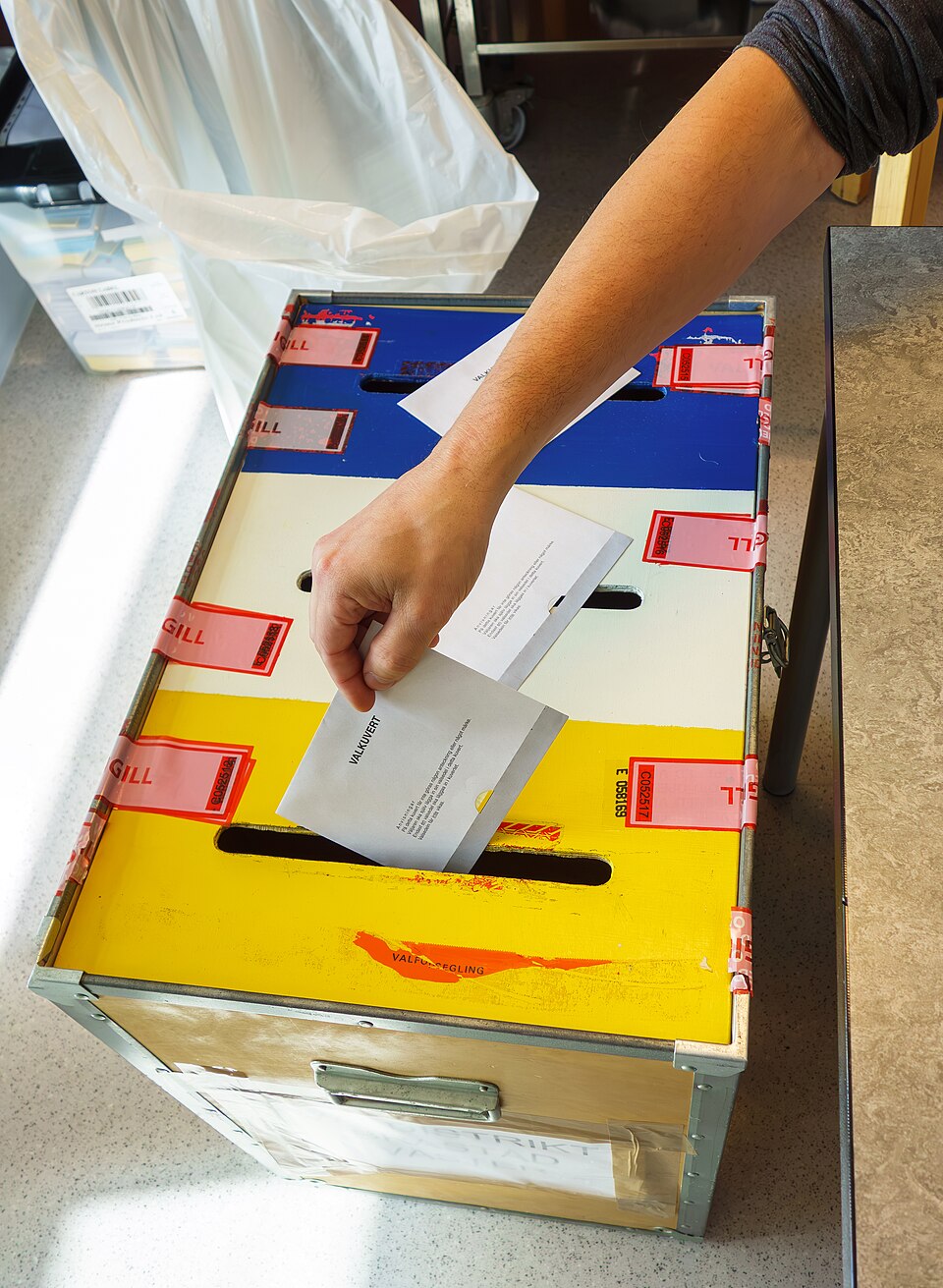
- The causes and consequences of electoral violence
- Consequences of violence for citizens’ support for democracy and democratic rights
- Organized crime, insecurity and social and political trust
- Violence, political candidacy and representation
- Mass-mobilization and democratic change
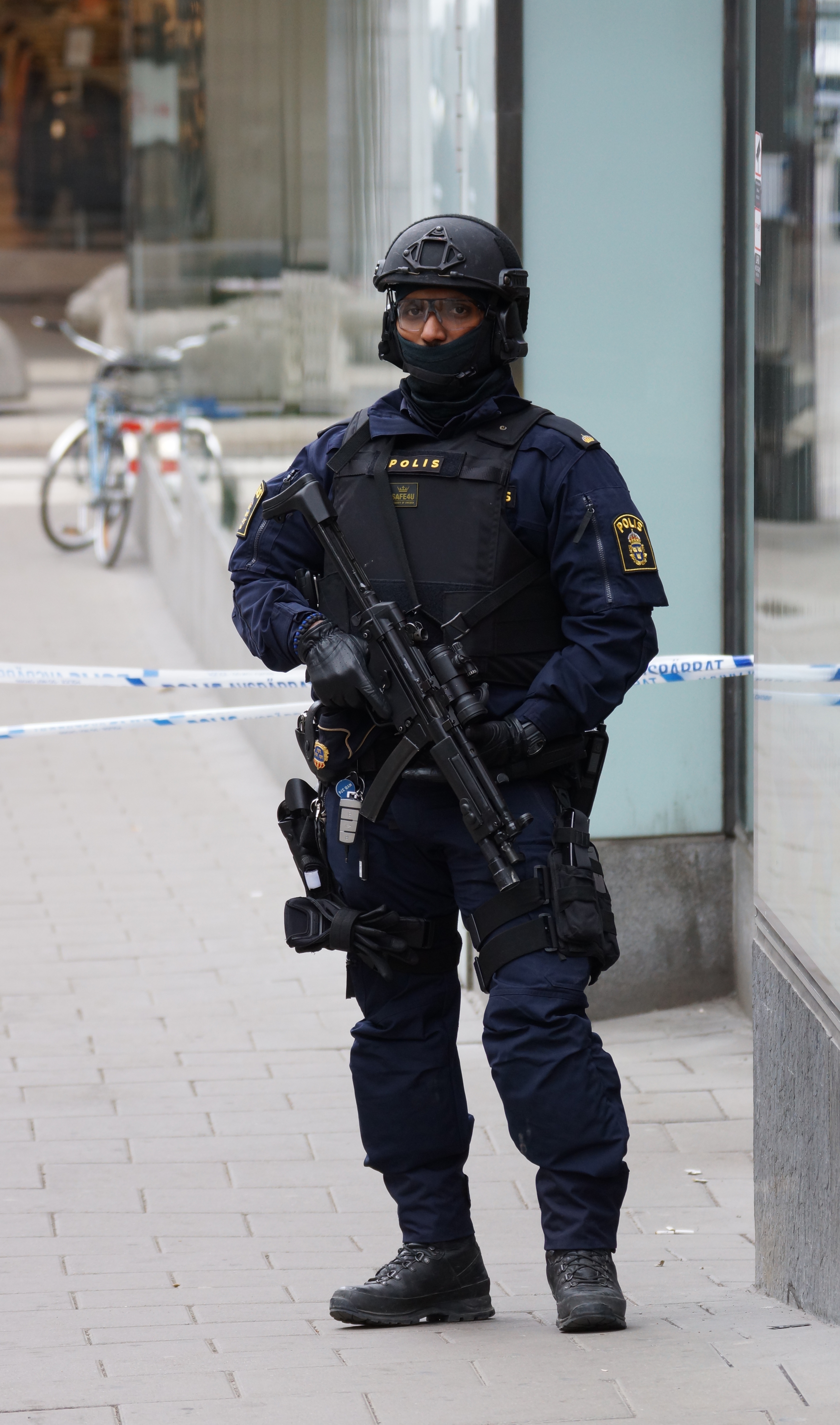
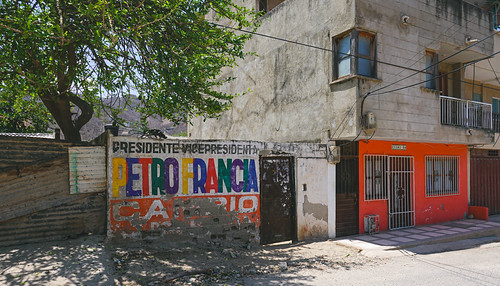
As a Wallenberg Scholar, I lead Political Violence in Democracies, funded by the Knut and Alice Wallenberg Foundation, studying drivers and consequences of violence in advanced democracies such as the US, Sweden and the UK. My ongoing work also examines how organized crime influences social and political attitudes in Sweden, and how the influence of violent actors shapes the process of democratic representation in Colombia. Across these projects, I combine surveys, experiments, observational data and qualitative data collection.
My work has appeared in journals such as the Journal of Politics, British Journal of Political Science, Comparative Political Studies, Annual Review of Political Science and International Organization. You can find the full list on my publications page.
I am a Vice Head of Department at the Department of Peace and Conflict Research and a co-PI for the Doctoral Network Democratic Institutions and Violence, funded by HORIZON-MSCA.